What Your Child Actually Needs From You Right Now (And It Might Surprise You)
What Your Child Actually Needs From You Right Now (And It Might Surprise You)
This week, I've been thinking about the gap between what we think our children need and what they actually need.
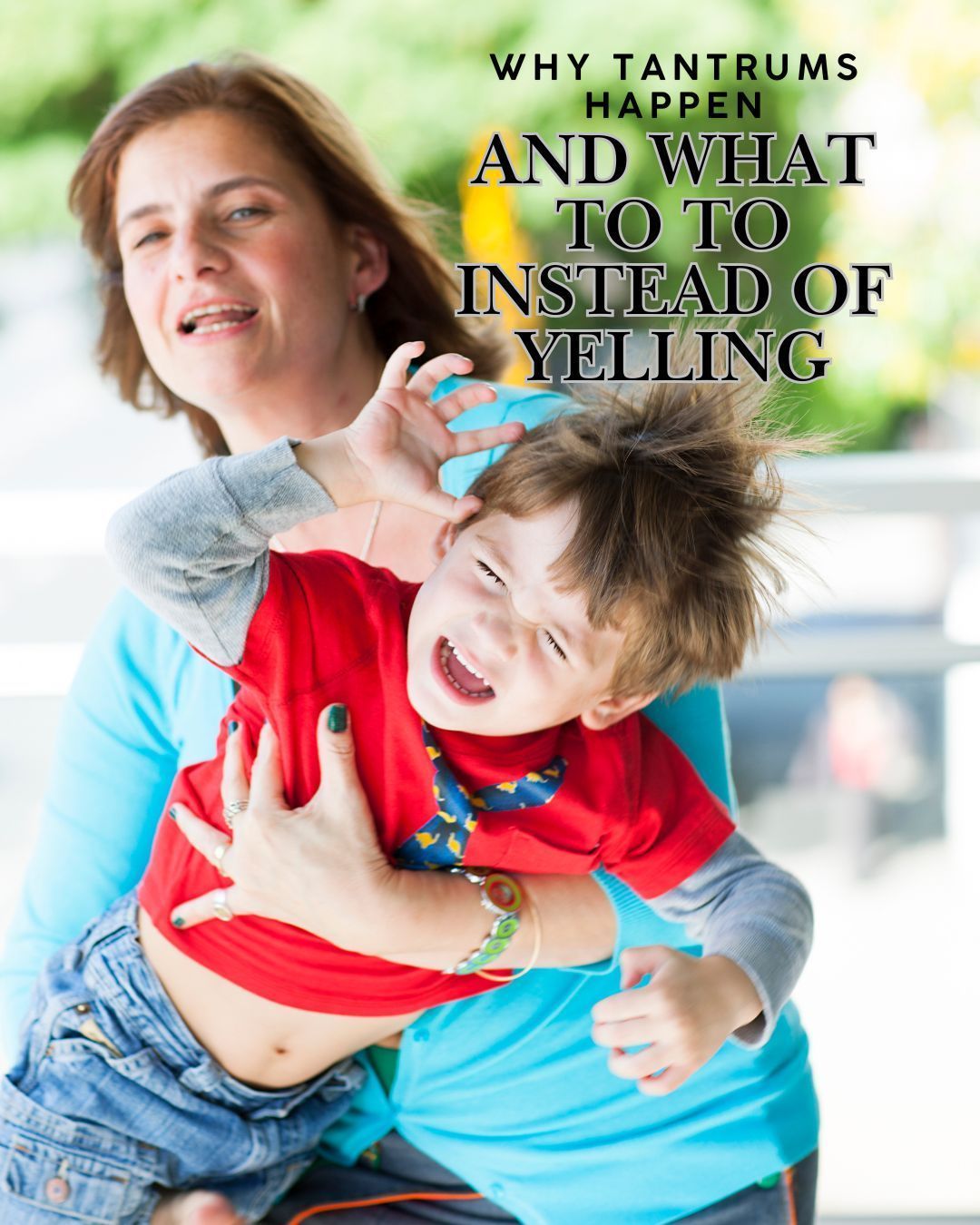
So often, we focus on the behaviour we can see. And that makes complete sense. Maybe your pre-teen has spent the week slamming doors and snapping at everyone. Maybe your four-year-old is having screaming meltdowns because they want control over every aspect of mealtime. Those behaviours can feel impossible to ignore.
But the behaviour itself is rarely the real problem. The behaviour is information. As parents, we are often tempted to ask, "How do I stop this behaviour?" A more useful question is, "What is this behaviour trying to tell me?"
We know that all behaviour is an attempt to meet a need. Sometimes that need is emotional expression. Sometimes it's a response to stress, change, overwhelm, or uncertainty. Sometimes it's a need for connection, attention, movement, autonomy, rest, or predictability.
The list is long because children are complex human beings.
Our role is not simply to react to the behaviour. Our role is to become curious about what sits beneath it. We have to become detectives.
When we approach our children with curiosity instead of assumption, we create the opportunity to understand what is really being communicated. Once we understand the need, we are in a much stronger position to help them meet it in a healthy way.
But understanding the need is only part of the picture. Children also need co-regulation.
In simple terms, co-regulation is the process of helping a child return to calm through our own calm presence. Children borrow our nervous systems before they learn how to regulate their own. When a child is screaming, shouting, lashing out, or falling apart, they don't need us to match their intensity. They need us to anchor them.
That doesn't mean allowing unsafe behaviour.
We can stop hitting. We can prevent property damage. We can hold firm boundaries. But we can do all of that without escalating the situation further. Our calm is one of the most powerful parenting tools we have. This is why connection matters so much.
When we rush in feeling angry, frustrated, or determined to teach a lesson, we often trigger defensiveness and resistance. A child in survival mode cannot access the part of their brain responsible for reasoning, learning, or problem-solving.
Connection is not the opposite of boundaries. Connection is often what makes boundaries effective.
When we connect first, we create the conditions for regulation. And when regulation returns, learning becomes possible.
Children also need boundaries.
In some parenting spaces, boundaries and connection are mistakenly presented as opposites. In reality, children need both.
Boundaries create safety.
Without them, children can feel overwhelmed by responsibilities and decisions they are not developmentally ready to carry. Boundaries communicate, "I've got this. You're safe. I'm the adult."
The challenge is learning how to hold those boundaries without damaging the relationship. A securely attached child learns that relationships can survive disagreement, frustration, and disappointment. They learn that they can push back, feel angry, and protest, and that the relationship remains safe. That is an incredibly important lesson.
Perhaps one of the hardest parts of parenting is recognising that we sometimes need to let go of the image of the parent we thought we would be.
Before becoming parents, many of us had strong ideas about what we would and wouldn't do.
"I'll never let my child do that." "My child will always listen." "I'll always stay calm." Then real life arrives.
Parenting has a way of humbling us because children are not theories. They are human beings with their own temperaments, needs, challenges, and experiences. Sometimes the growth happens when we loosen our grip on who we thought we needed to be and become more responsive to who our child actually is.
The children in front of us need more than perfect parenting strategies.
They need understanding.
They need connection.
They need boundaries.
And they need adults who are willing to stay curious about what lies beneath the behaviour.
Many parents find it challenging to balance all of these things at once. Holding boundaries while meeting needs, staying regulated during difficult moments, and responding with connection instead of control isn't always straightforward.
This is one of the many reasons parents seek support.
If you'd like to explore what that support could look like for your family, you're welcome to book a Clarity Call with me. Together, we can make sense of what's happening beneath the behaviour and create a path forward that feels calmer, more connected, and more sustainable for everyone involved.