Why conflict with your kids feels so hard...
There's a moment that catches many of us off guard a couple of years into parenting.

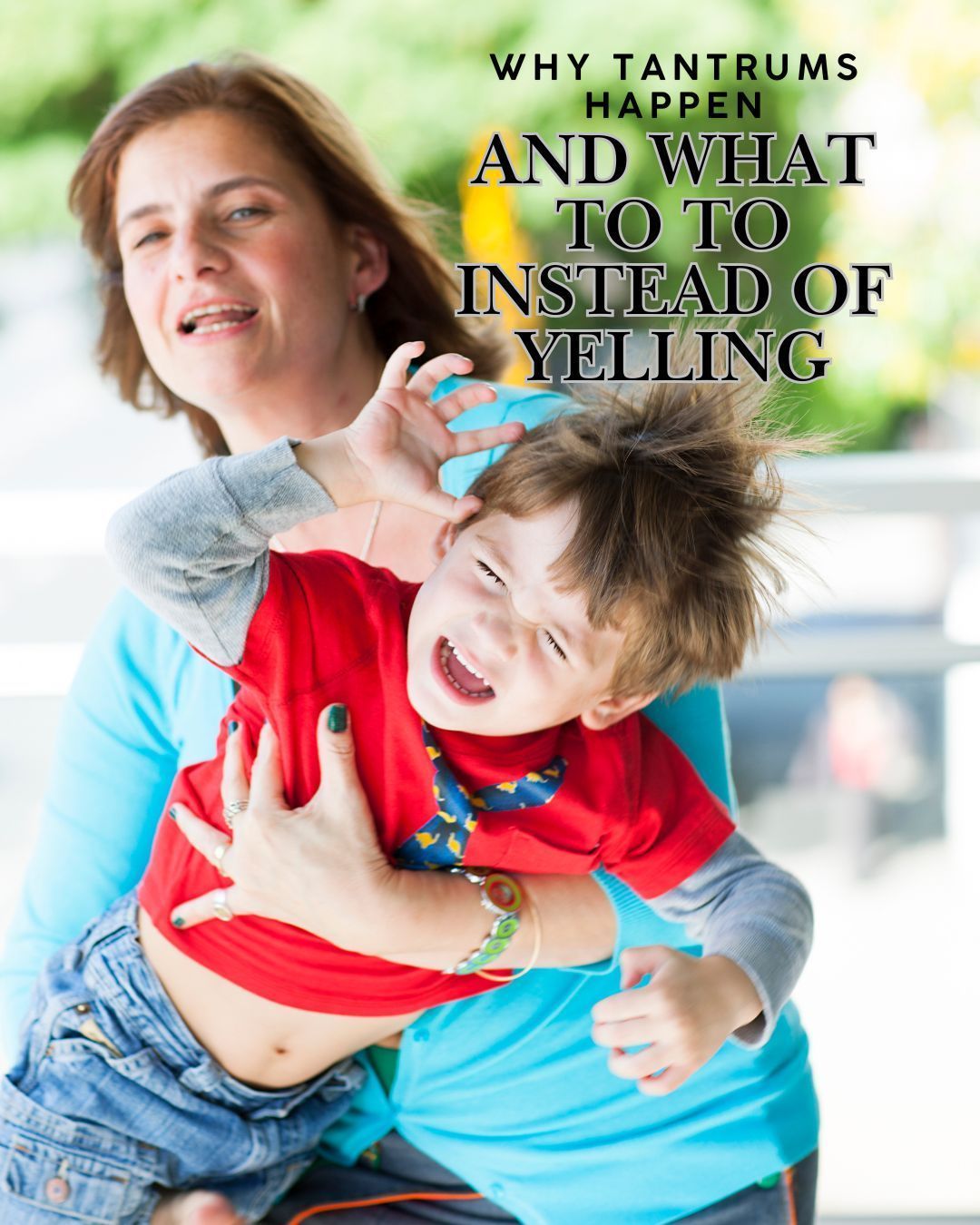
Your child resists.
They shout.
They refuse.
They melt down over something that seems so small.
And suddenly… it doesn’t feel small at all.
Your body tightens.
Your patience disappears.
Your voice changes.
Or maybe you go quiet. Freeze. Walk away.
And afterwards, you’re left wondering:
Why was that so hard?
It’s Not Just About Your Child’s Behaviour
What you’re experiencing in those moments isn’t simply frustration.
It’s activation.
Because conflict with your child doesn’t just live in the present moment.
It pulls on everything you were taught about relationships, authority, and emotional safety.
Many of us were raised with messages like:
- Keep the peace
- Don’t talk back
- Do as you’re told
- Be the “good” child
There wasn’t space for disagreement.
There wasn’t modelling of repair.
There wasn’t safety in conflict.
So now, when your child pushes back, your nervous system reads it as something much bigger than it is.
Not just “this is inconvenient”
But “this is unsafe”
Why Your Reactions Feel So Automatic
When your nervous system is activated, you don’t get access to your calm, reflective parenting tools.
Instead, you move into autopilot:
- You react quickly and sharply
- You shut the situation down
- Or you withdraw completely
And then later, the guilt creeps in.
Not because you don’t care.
But because you do-and your response didn’t match the kind of parent you want to be.
Most of us has never been shown how to regulate ourselves in real time.
If conflict has been feeling heavy, draining, or triggering for you, it doesn’t mean you’re doing it wrong.
It means your system is doing exactly what it was wired to do.
But with the right support, that can change.
You can learn how to:
- stay grounded in the moment
- hold boundaries without escalating
- and move through conflict without losing yourself-or your relationship with your child
If This Is Where You Feel Stuck
This is exactly the work I support parents with.
Not just understanding the theory…
but learning how to apply it in your real, everyday moments.
If you’re ready to shift out of that react → regret cycle, you can reach out and we’ll figure out the right next step for you.